Source Heat Resisting Aerosol Spray Paint for Cars, Metal, and Appliances
Browse heat resisting aerosol spray paint listings for automotive, metal, wood, fiberglass, and appliance applications. Compare 400ml and 450ml can sizes, acrylic formulations, spray rates, surface dry times, MOQs, certifications such as SGS and ISO, and customization options before requesting quotes from listed suppliers.
Key considerations
Products List




Comprehensive Sourcing Guide
Heat Resisting Aerosol Spray Paint Sourcing Guide
Sourcing heat resisting aerosol spray paint requires a disciplined approach to balancing thermal performance, application method, and regulatory compliance. These specialized coatings are designed to withstand elevated temperatures while maintaining adhesion, color stability, and protective qualities on various substrates. Buyers must navigate a market where product attributes vary significantly based on the intended use case, whether for automotive components, industrial machinery, or household appliances. The following guide provides evidence-based procurement strategies to ensure that selected products meet technical requirements and commercial expectations.
The procurement process begins with a clear definition of the operational environment. Heat resisting paints are not monolithic; they differ in resin chemistry, propellant type, and curing mechanisms. Understanding the specific temperature range, substrate material, and aesthetic requirements is essential before engaging with suppliers. This guide focuses on verifying critical specifications, ensuring compliance with safety standards, and managing commercial risks associated with bulk chemical procurement. By adhering to these structured verification steps, buyers can mitigate the risk of product failure and ensure long-term supply chain stability.
Product Scope and Observed Listing Signals
The observed market for heat resisting aerosol spray paint reveals a diverse range of product configurations, with prices typically ranging from $0.45 to $12.64 per unit. This wide variance reflects differences in formulation complexity, container size, and brand positioning. Buyers should note that the minimum order quantity (MOQ) spans from 1 piece to 30,000 pieces, indicating that suppliers cater to both small-scale prototyping and large-scale industrial procurement. The presence of customization options suggests that many manufacturers can tailor color, viscosity, and packaging to specific client needs, which is a critical factor for branded or specialized industrial applications.
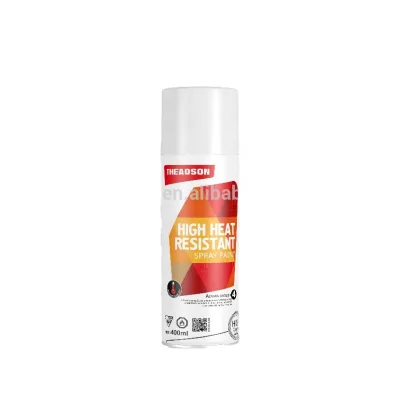
Product listings frequently highlight key attributes such as air drying methods, liquid appearance, and spray application techniques. Common models identified in the market include FBSP05, FBSP2011, and AC-J1007, each potentially serving different thermal or aesthetic niches. The primary raw material is often acrylic, which offers good durability and color retention, though other formulations may exist. Buyers should verify the specific components, such as solvents or pigments, as these directly influence the paint’s drying time, odor, and environmental impact. The standard packaging sizes observed include 400ml, 450ml, and 650ml cans, with bulk cartons typically containing 12 pieces, facilitating efficient logistics and storage.
Technical Specifications to Verify
Thermal resistance is the defining characteristic of this product category, with some listings specifying usage temperatures up to 400°C. Buyers must verify the exact temperature threshold and duration of exposure the paint can withstand without degrading, charring, or losing adhesion. The formation mechanism is another critical technical detail; products may be classified as non-conversion type or conversion type, which affects how the paint cures and bonds to the substrate. Non-conversion types typically dry through solvent evaporation, while conversion types undergo a chemical reaction that creates a more robust film. Understanding this distinction is vital for ensuring the coating performs correctly under thermal stress.
Adhesion and substrate compatibility are equally important technical factors. The paint must bond effectively to materials such as aluminum, ceramic, metal, wood, fiberglass, and most other surfaces. Buyers should confirm the recommended surface preparation steps, as proper cleaning and priming are essential for optimal adhesion. The spray rate, with some products claiming over 98% efficiency, indicates the effectiveness of the aerosol delivery system in transferring paint to the target surface. Additionally, the surface dry time, which can be as short as 5 minutes for some formulations, impacts production throughput. Buyers should also consider the shelf life, typically around 3 years, to ensure inventory management aligns with product stability.
Compliance and Safety Documentation
Regulatory compliance is non-negotiable when sourcing chemical products for international trade. Buyers must verify that suppliers hold relevant certifications such as ISO, SGS, and GMP, which indicate adherence to quality management and safety standards. The presence of RoHS certification is particularly important for products intended for use in electronics or appliances, as it ensures the absence of restricted hazardous substances. Additionally, the CAS number 67763-03-5, often associated with specific chemical components, should be cross-referenced with safety data sheets to ensure full transparency of the formulation.
Safety documentation must include detailed information on the propellant used, such as LPG, and the solvent components. Buyers should request Safety Data Sheets (SDS) to understand the flammability, toxicity, and environmental impact of the product. The classification of the product as a liquid coating or aerosol spray paint carries specific shipping and storage regulations due to its pressurized nature. Ensuring that the supplier provides accurate hazard communication labels and handling instructions is essential for maintaining workplace safety and regulatory compliance in the buyer’s destination market.
Cost Drivers and Commercial Terms
The cost of heat resisting aerosol spray paint is influenced by several factors, including raw material prices, packaging complexity, and order volume. The observed price range of $0.45 to $12.64 suggests that economies of scale play a significant role, with larger orders likely securing more favorable unit prices. Buyers should also consider the cost of customization, as tailored colors or formulations may incur additional charges. The MOQ of up to 30,000 pieces for certain models indicates that high-volume buyers can negotiate better terms, while smaller buyers may face higher per-unit costs.
Commercial terms such as payment methods and shipping times are critical components of the procurement agreement. Typical payment terms include T/T (Telegraphic Transfer), which is standard for international trade but requires careful management of cash flow and risk. Shipping times are often specified as within 25 days after payment, which buyers must factor into their production schedules. The origin of the products, primarily from Guangdong, China, and Chansha, China, should be considered in terms of logistics costs and lead times. Buyers should also evaluate the packaging quality, such as kraft or white cartons, to ensure products arrive undamaged and ready for distribution.
Supplier Qualification and Quality Control
Supplier qualification is a critical step in ensuring the reliability of the supply chain. Buyers should verify the supplier’s manufacturing capabilities, including their production capacity and quality control processes. The brand names observed, such as Theaoson and Aeropak, may indicate established manufacturers with a track record of consistent quality. However, buyers should not rely solely on brand reputation; instead, they should conduct due diligence on the supplier’s facilities, including audits of their production lines and testing laboratories.
Quality control measures should include regular testing of product attributes such as color consistency, spray atomization, and thermal resistance. Buyers should request sample batches for evaluation before committing to large orders. The quality of the paint film, described as an insulating varnish in some listings, should be assessed for durability and resistance to environmental factors. Additionally, buyers should establish clear communication channels with suppliers to address any issues promptly and ensure that any changes in formulation or packaging are communicated in advance.
Long-Term Procurement Checks
Long-term procurement success depends on continuous monitoring of product performance and supplier reliability. Buyers should establish a feedback loop with end-users to gather data on the paint’s performance in real-world applications. This information can be used to refine specifications and negotiate improvements with suppliers. Regular reviews of supplier performance, including on-time delivery rates and product quality metrics, are essential for maintaining a high standard of supply chain management.
Buyers should also stay informed about changes in regulatory requirements and industry standards that may affect the product. As environmental regulations become more stringent, suppliers may need to update their formulations to comply with new laws. Proactively engaging with suppliers on these issues can help avoid disruptions and ensure that the product remains compliant and competitive in the market. By maintaining a strategic approach to procurement, buyers can secure a reliable supply of heat resisting aerosol spray paint that meets their technical and commercial needs.
FAQs
What is the maximum usage temperature for this heat resistant spray paint?
The paint withstands temperatures up to 400 degrees Celsius. It is designed for high-heat applications on substrates like aluminum and ceramic. The solvent-based formula ensures durability under thermal stress. This makes it suitable for industrial and automotive components requiring stable performance in hot environments.
Which certifications does the heat resisting aerosol spray paint hold?
The product holds ISO, SGS, GMP, and RoHS certifications. These standards verify quality and safety compliance for international trade. The certifications ensure the solvent-based coating meets regulatory requirements. Buyers can rely on these documented standards for sourcing decisions and quality assurance in global supply chains.
Can the heat resisting aerosol spray paint be customized for specific colors?
Yes, customization is available for specific color requirements. The product offers customized color options to match brand or design needs. This flexibility allows buyers to tailor the finish for appliances or automotive parts. Customization supports unique project specifications while maintaining the paint's high heat resistance properties.
What is the typical shelf life of the heat resistant spray paint?
The shelf life is three years when stored properly. This duration ensures product stability and performance over time. The liquid coating maintains its quality within this period. Buyers should consider this shelf life for inventory planning and long-term storage requirements in their operations.
How is the heat resisting aerosol spray paint packaged for shipping?
It is packaged in kraft or white cartons. Standard packing includes 400ml cans with 12 pieces per carton. Alternative sizes like 450ml and 650ml are also available in bulk packs. This packaging protects the aerosol cans during transit and supports efficient handling for large orders.
What is the minimum order quantity for this heat resistant spray paint?
The minimum order quantity is 30,000 pieces. This MOQ applies to standard bulk orders. Buyers should plan their procurement volume accordingly. The high MOQ reflects the industrial nature of the product and supports efficient manufacturing and shipping processes for large-scale projects.
Which substrates can the heat resistant spray paint adhere to effectively?
It adheres well to aluminum, ceramic, metal, wood, and fiberglass. The versatile application allows use on most surfaces. The solvent-based formula ensures strong bonding. This adaptability makes it suitable for diverse industrial applications, from automotive parts to appliance manufacturing, ensuring reliable coverage on various materials.